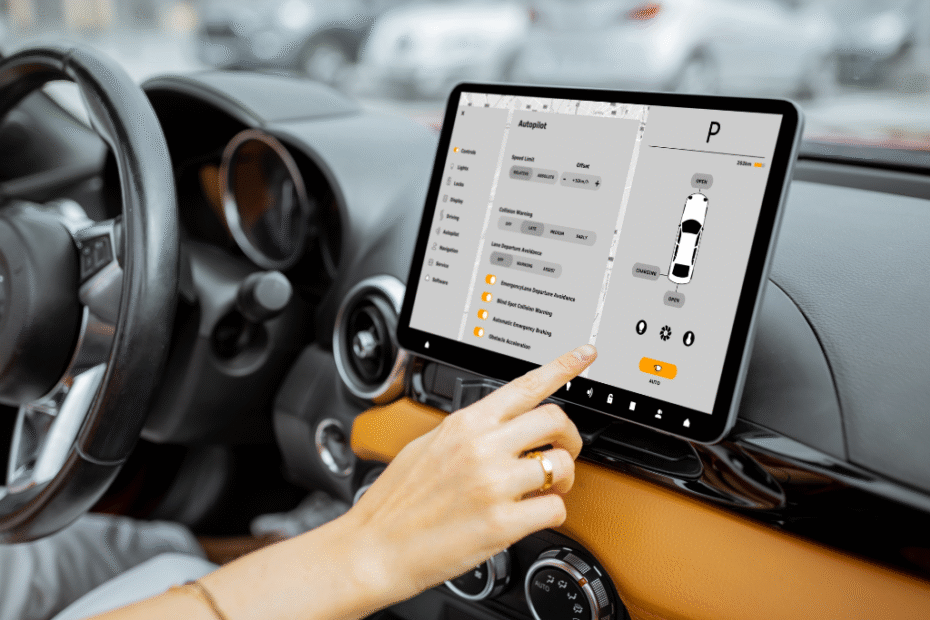
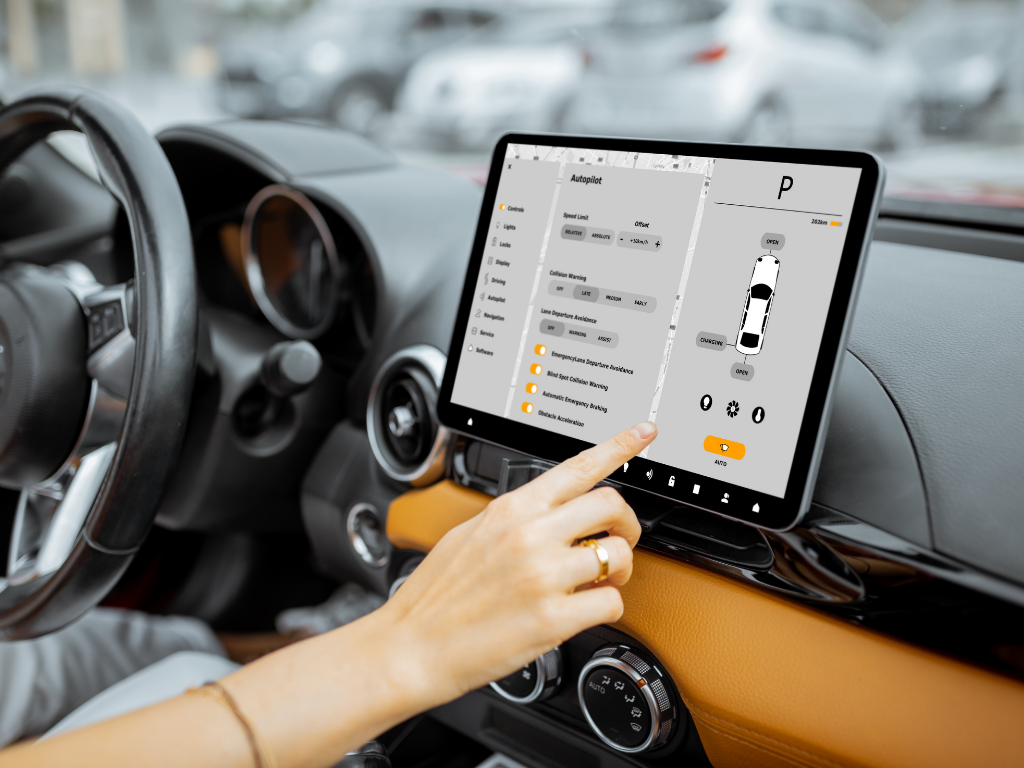
When we talk about cutting-edge vehicles today—EVs with intuitive UIs, ultra-luxury SUVs packed with smart features, or autonomous shuttles navigating city streets—it’s easy to focus on what’s visible: the screens, the sensors, the seamless experiences.
But behind all of that lies something far less glamorous—and far more critical: commodity engineering.
At FutureMotiv we specialize in this underappreciated but essential field. And over the years, we’ve learned that how you source, specify, validate, and integrate systems can make or break an entire vehicle program.
So What Exactly is Commodity Engineering?
At its core, commodity engineering connects the big ideas, like next-gen infotainment or advanced driver assistance, with the nuts and bolts of reality: components, suppliers, testing protocols, manufacturing feasibility, and cost.
Our job is to:
- Translate features into system and component-level requirements
- Define the best technical and commercial paths forward
- Identify the right suppliers and validate their tech
- Test, iterate, integrate, and sign off every part of the electrical system
It sounds straightforward. It’s not.
That’s why OEMs and start-ups turn to us, because we know how to make these systems real, on time and on budget, without compromising the vision.
Why We’re Different: Experience, Insight, and Agility
We’ve worked on vehicle programs across every category from high-performance supercars to commercial EV trucks, and from premium SUVs to autonomous mobility platforms. This has given us something no single OEM or startup can replicate easily: a real-world, cross-segment understanding of technologies, suppliers, cost baselines, and functional trade-offs.
We’ve built a living database of:
- Proven supplier capabilities across components like BCMs, sensors, ECUs, and infotainment:
- Infotainment & Connectivity: Displays, cameras, head units, telematics, audio, and wireless modules.
- Body Systems: BCMs, regulators, sensors, access systems, and lighting.
- ADAS: Surround view, DMS, radars, LiDAR, and control ECUs.
- Powertrain & HV Electronics: DC-DC converters, chargers, compressors, and thermal management modules.
- Chassis & Safety: ABS, ESP, control units, and crash detection sensors.
- EDS: Fuse boxes and harness systems.
- Cost benchmarks for emerging technologies (e.g. digital mirrors, LiDAR, wireless charging)
- Architecture approaches that scale with future software updates and regulatory changes
- Feature mappings by vehicle class—what matters, what differentiates, and what delivers ROI
This means we can guide our clients with data-backed decision-making, not just best guesses. When we say we know what works—we mean we’ve tested it, integrated it, and released it to production.
The Results?
Vehicle programs that launch on time, meet customer expectations, and align with future tech and regulations. Commodity engineering isn’t just a back-end process—it’s a critical success factor.

Our Structured Process
Here’s how FutureMotiv approaches every program:
Concept Phase
• Conduct benchmarking and market studies
• Define technical RFQs and commodity roadmaps
• Analyse supplier quotes technically, commercially, and from a quality standpoint
• Lead sourcing decisions with full stakeholder alignment
Design Phase
• Translate features into system and component-level specs
• Lead concept, validation prototype (VP), and production design releases
• Drive SFMEA creation and component DFMEA reviews
Validation & Sign-Off Phase
• Own the DVP at both component and vehicle levels
• Lead labcar, bench, and full vehicle testing (incl. EMC & environmental)
• Support VP, PP, SOP+90, and series builds
• Manage issue resolution, change control, and engineering sign-off
Tools and Methodologies That Make It Work
We use:
• Robust PLM systems for traceability and integration
• Industry-standard FMEAs and DVP&R frameworks for validation
• Labcar setups for early-stage integration and debugging
• A global supplier network that we actively collaborate with, not just manage
But more than tools, we bring a mindset of ownership. We think like OEMs—because many of us have been on the inside.
Emerging Trends That Drive Change
The automotive industry is undergoing seismic shifts, and commodity engineering is evolving right alongside:
• Software-Defined Architectures are increasing the demand for scalable, upgradeable systems.
• Electrification is introducing new high-voltage components, thermal management challenges, and compliance requirements.
• Autonomy and ADAS raise the bar on safety, redundancy, and sensor integration.
• Sustainability and Circular Design are beginning to influence sourcing, materials, and even end-of-life planning.
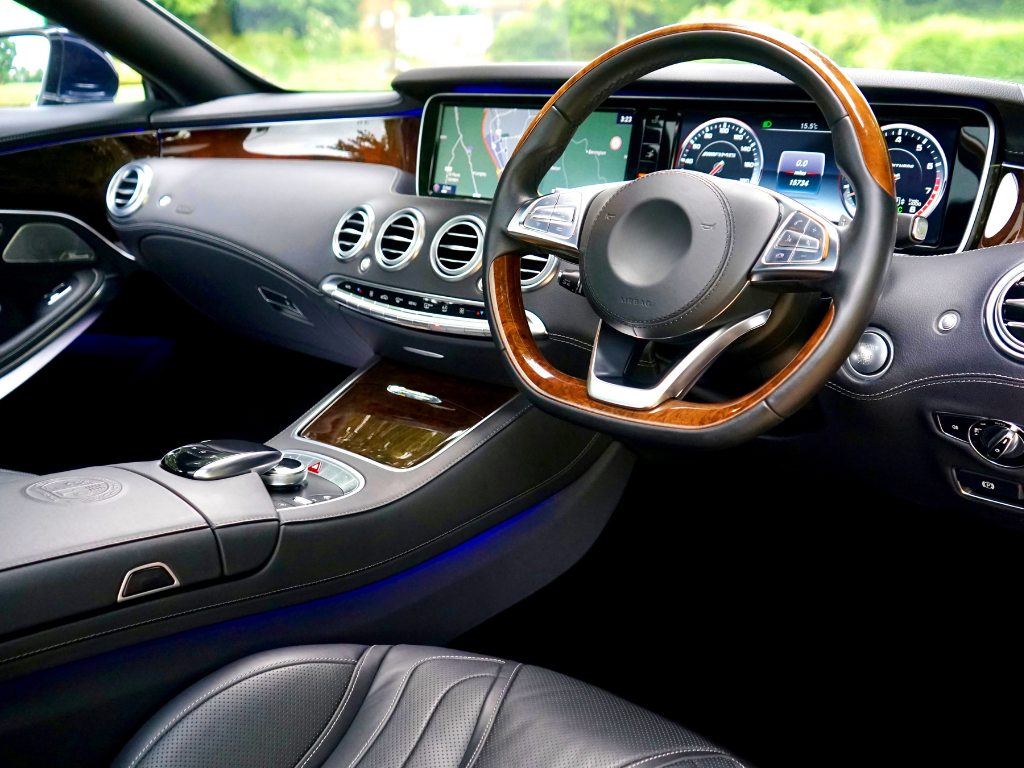
Infotainment, in particular, has moved from being a “nice-to-have” to a defining experience for users. We’re seeing convergence between consumer electronics and automotive-grade requirements, and we help our clients navigate those expectations with realism and clarity.
Built on Real-World Experience
Some of the projects our team has led and delivered:
16-tonne commercial electric truck.
This is one of our most ambitious projects which started from a blank sheet. In under 18 months, we brought the first mule vehicle to life by combining agile planning with deep supplier relationships. We seamlessly sourced, integrated, and tested critical systems to deliver a reliable and functional prototype on a tight timeline.
X-by-wire innovative cornering platform vehicle program.
We contributed to defining cabin features, infotainment UI, and even developed an in-house BCM software—demonstrating our ability to adapt and deliver software and hardware solutions tailored to new mobility paradigms.
UK/EU based customer pioneering L4/L5 Fully Autonomous program.
We defined feature sets, sourced components, and established system-level architecture from the ground up.
Similarly, we also supported a European high-performance supercar brand looking to redefine driver engagement with cutting-edge displays and lightweight system and a North American EV SUV manufacturer launching their first full electric platform.

Why It All Matters
At the end of the day, commodity engineering is what ensures that what you promise in the concept phase is what you deliver in the real world.
It’s not just about picking parts, it’s about choosing the right path, every step of the way. And having a partner who’s been through it all, from first sketch to final sign-off, can make the difference between friction and flow.
We’ve delivered successful programs under pressure, under budget, and under aggressive timelines, often starting from a blank sheet.
We’re proud to be that partner for so many innovative companies around the world.
If you’re scaling up an EV platform, launching a new vehicle line, or redefining your user experience, let’s connect. We bring the insights, structure, and flexibility to help you deliver exceptional systems, faster and smarter.